
Medically reviewed by Dr. Michael Allon, MD, FACOG, REI | Reproductive Endocrinologist & Fertility Specialist
PRP Ovarian Rejuvenation in Houston, TX
Struggling with low AMH, IVF failure, or diminished ovarian reserve? PRP ovarian rejuvenation is an emerging treatment that may help improve ovarian function using your body's own platelet-rich plasma.
PRP for ovaries, also known as ovarian PRP or platelet-rich plasma ovary treatment, is used to support women facing age-related fertility decline, poor ovarian reserve, or repeated IVF failure. This advanced ovarian rejuvenation PRP approach is offered in Houston, TX under expert supervision.
At PRP Fertility MD, the dedicated PRP fertility program of Advanced Fertility Center of Texas (AFCT), our reproductive endocrinology team evaluates patients who are interested in exploring ovarian rejuvenation as part of their fertility care. The program is led by Dr. Michael Allon, a double board-certified reproductive endocrinologist with more than 25 years of experience treating complex fertility cases.
Patients from across the United States and internationally travel to Houston for PRP ovarian rejuvenation. Common reasons patients explore this treatment include low AMH, diminished ovarian reserve, fertility challenges after age 40, and previous IVF cycles that did not achieve the desired outcome.
If you are researching ovarian rejuvenation and want to understand whether PRP for ovaries may be relevant to your situation, a consultation with a reproductive endocrinologist is the appropriate first step.
Telehealth consultations available for patients traveling to Houston.
What Is Ovarian Rejuvenation?
Ovarian rejuvenation PRP is a procedure where platelet-rich plasma (PRP) is injected into the ovaries to support ovarian function and follicular activity.
Ovarian rejuvenation refers to treatments that aim to support ovarian function, particularly in women whose ovaries have shown reduced activity or response. Among the approaches being studied, platelet-rich plasma (PRP) therapy — also known as PRP for ovaries — has received growing attention in reproductive medicine research.
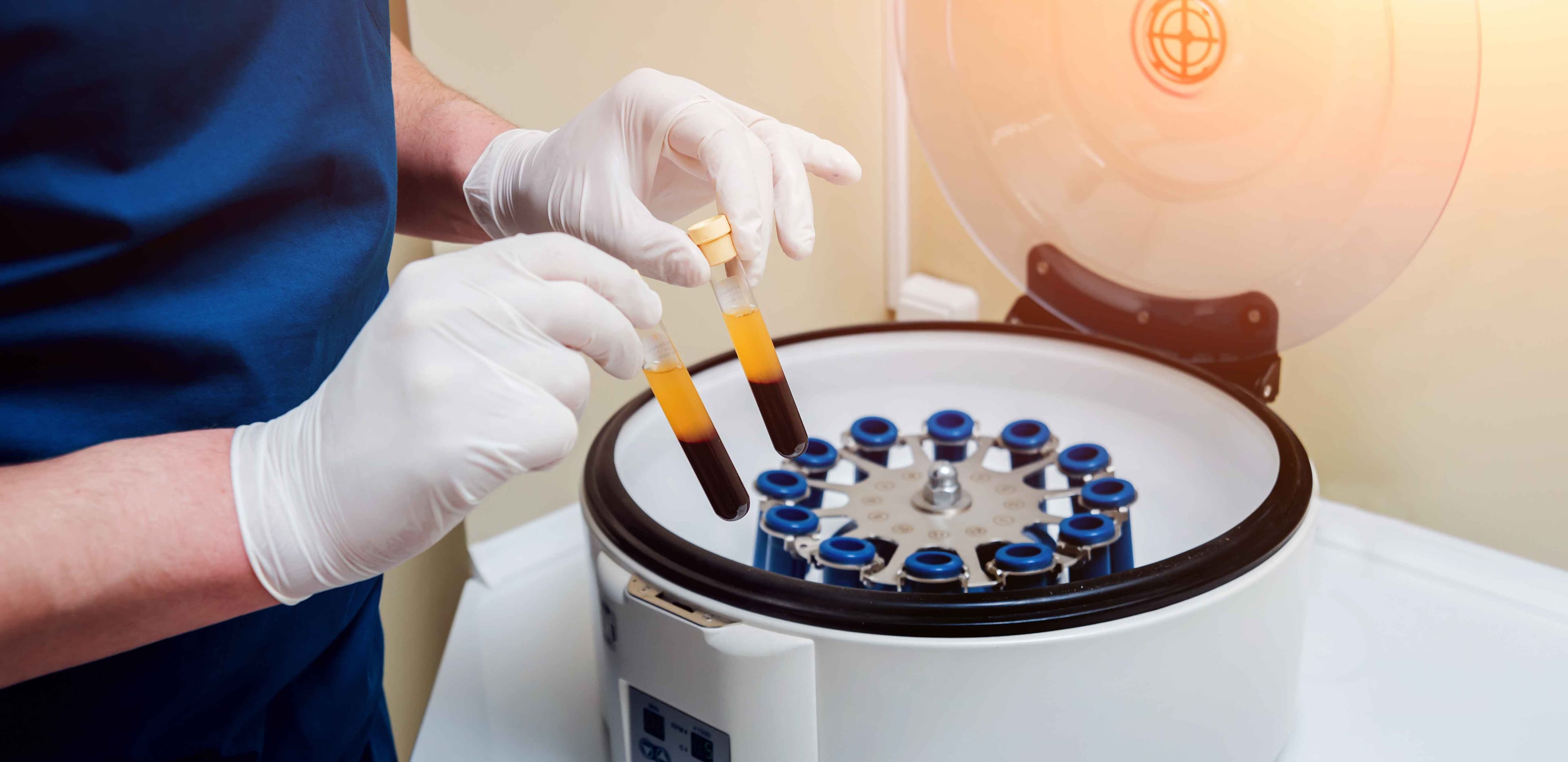
PRP is prepared from the patient's own blood. A small blood sample is drawn, then processed using specialized equipment to concentrate the platelets. Platelets contain growth factors and signaling proteins that play a role in tissue repair and cellular signaling throughout the body.
In ovarian PRP treatment, the concentrated platelet-rich plasma is placed directly into the ovaries using ultrasound guidance. Researchers are studying whether the growth factors in PRP may influence the ovarian environment, potentially supporting follicular activity and ovarian responsiveness in some patients.
This PRP ovarian rejuvenation technique is increasingly explored as an option for women with diminished ovarian reserve or poor response to IVF. Research is ongoing, and outcomes may vary from patient to patient.
Who May Be a Candidate for PRP Ovarian Rejuvenation?
Ovarian rejuvenation with PRP is being explored by patients who are facing specific fertility challenges and are interested in emerging treatment options. Not every patient is a candidate, and a thorough evaluation by a reproductive endocrinologist is necessary before any treatment decisions are made.
You may be a candidate for PRP for ovarian rejuvenation if you are experiencing:
- Low AMH — a key indicator where ovarian PRP may be considered
- Diminished ovarian reserve (DOR)
- Premature ovarian insufficiency (POI), a condition in which the ovaries lose normal function before age 40
- Multiple IVF cycles without achieving the desired response or outcome
- Age-related fertility decline — women over 40 exploring advanced ovarian rejuvenation PRP options
- Poor egg quality or poor ovarian response during fertility treatment
Every patient's fertility situation is different. During a consultation, our fertility specialists review prior testing, fertility history, and treatment goals to determine whether PRP ovarian rejuvenation may be appropriate for your individualized fertility plan.
For patients experiencing thin endometrial lining or implantation challenges, a separate PRP approach involving the uterine cavity may also be discussed. Learn about uterine or endometrial PRP →

How PRP Ovarian Rejuvenation Works
PRP ovarian rejuvenation involves a multi-step process using your own platelet-rich plasma to support ovarian tissue. The procedure is performed at Advanced Fertility Center of Texas in Houston as a minimally invasive outpatient procedure.
Step 1: Blood Draw
A small sample of the patient's blood is collected at the beginning of the appointment. This is similar to a routine blood draw and typically takes only a few minutes.
Step 2: PRP Preparation
The blood sample is placed into specialized equipment that separates and concentrates the platelets. The result is platelet-rich plasma containing a higher concentration of growth factors and signaling proteins than whole blood.
Step 3: Ultrasound-Guided Ovarian Injection
Using transvaginal ultrasound guidance, the fertility specialist carefully places the prepared PRP directly into the ovarian tissue. The procedure is typically performed with local anesthesia for patient comfort. Most patients describe the experience as similar to an egg retrieval procedure.
Step 4: Monitoring Ovarian Response
After PRP ovarian rejuvenation treatment, the fertility team monitors the patient's ovarian response through follow-up blood work and imaging. This monitoring helps evaluate any changes in hormonal markers or follicular activity over the weeks and months following treatment.
Patients typically resume normal activities shortly after the ovarian PRP procedure. The treatment is performed on an outpatient basis, and most patients do not require an extended recovery period.
Benefits of PRP Ovarian Rejuvenation
While research on PRP ovarian rejuvenation is ongoing, early findings suggest several potential benefits that are being explored for women with diminished ovarian reserve and other complex fertility challenges.
- May support ovarian function and follicular environment
- May improve follicular activity in some patients
- Uses your body's own platelet-rich plasma
- Minimally invasive outpatient procedure
- Can be combined with IVF and other fertility treatments
- Being studied for low AMH, diminished ovarian reserve, and poor ovarian response
As with any emerging fertility treatment, individual outcomes vary. Our team discusses realistic expectations with every patient considering PRP for ovaries during the consultation process.
Research on Ovarian PRP for Fertility
Research on ovarian PRP and PRP for ovaries is ongoing, with studies exploring its role in improving ovarian response and fertility outcomes. Several peer-reviewed studies published in reproductive medicine journals have examined whether PRP may influence ovarian function in women with diminished ovarian reserve, premature ovarian insufficiency, and poor ovarian response.
Early clinical studies have reported observations including:
- Changes in AMH levels and other ovarian markers in some patients following PRP ovarian rejuvenation
- Increases in antral follicle count in certain study participants
- Resumption of menstrual cycles in some women with premature ovarian insufficiency
- Improved ovarian response during IVF stimulation in some patients who previously had poor response
It is important to understand the context of these findings. Most published studies to date have been small in scale, and larger randomized controlled trials are needed to establish the effectiveness of ovarian PRP with greater confidence. Outcomes vary between patients, and not all patients who receive PRP ovarian rejuvenation will experience measurable changes.
Our clinical team stays current with the evolving research on ovarian PRP and discusses the available evidence with patients during consultation, including both the potential benefits and the limitations of current data.
Our Approach to Ovarian Rejuvenation
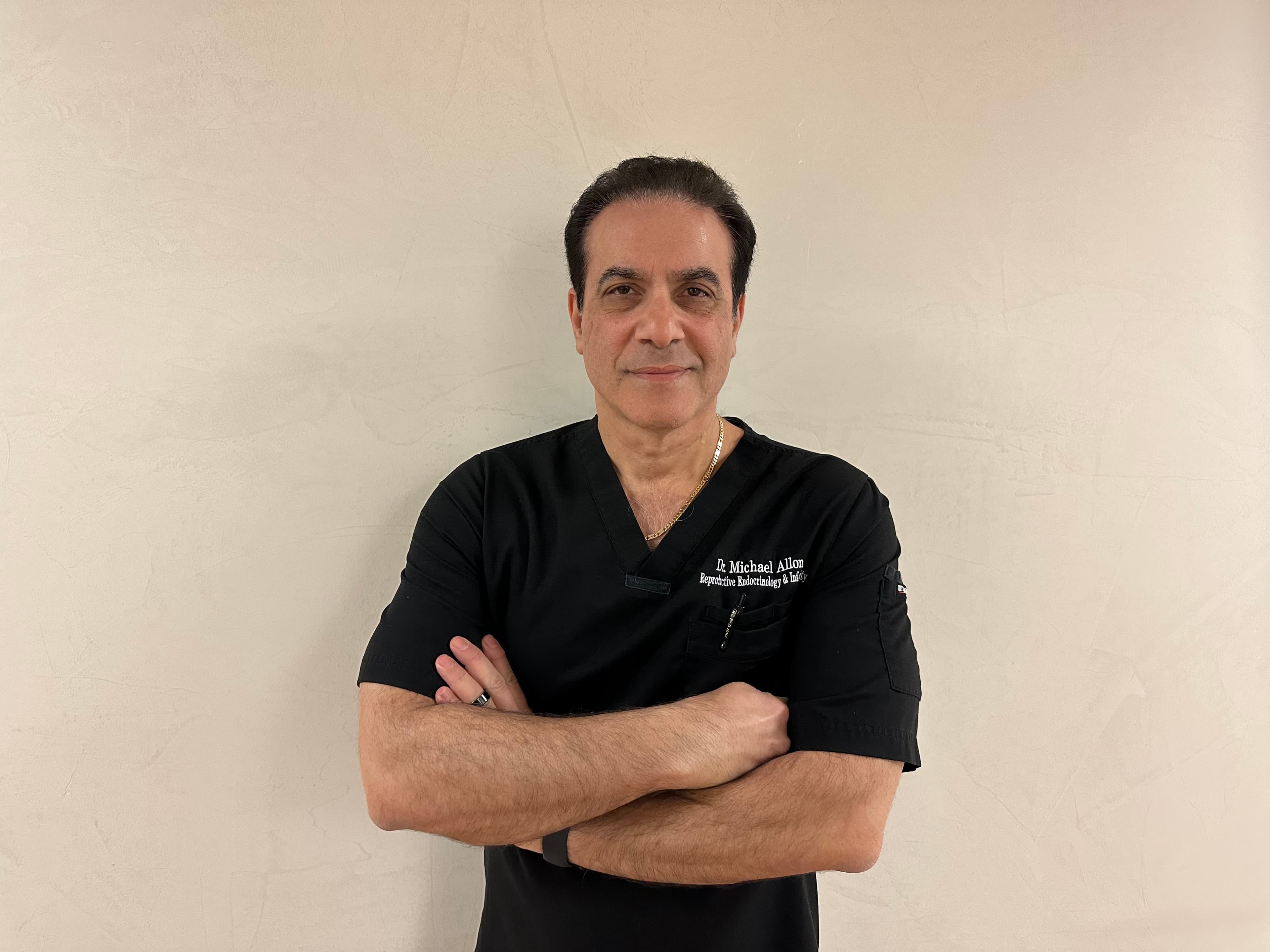
Dr. Michael Allon is a leading provider of PRP ovarian rejuvenation in Houston, TX, with extensive experience in advanced fertility treatments. He is a double board-certified Reproductive Endocrinologist with 14 years of advanced medical training and over 25 years of clinical experience in reproductive medicine.
Our clinical team has helped thousands of patients navigate complex fertility challenges, including diminished ovarian reserve, recurrent IVF failure, and other advanced reproductive situations. Our approach to ovarian rejuvenation is individualized and evidence-informed.
Before recommending PRP ovarian rejuvenation, our fertility specialists conduct a thorough evaluation that includes:
- Review of prior fertility testing (AMH, FSH, antral follicle count, and other relevant markers)
- Review of previous fertility treatment history, including IVF cycle details and outcomes
- Assessment of overall reproductive health and any contributing factors
- Discussion of treatment goals, expectations, and the current state of ovarian PRP research
When appropriate, our physicians integrate ovarian PRP treatment with other fertility strategies, including IVF, to give patients the most comprehensive approach to their fertility care.
Advanced Fertility Center of Texas has been recognized by Newsweek and Statista among the top fertility clinics in the United States.
Meet Dr. Michael AllonWhat Outcomes Are Being Studied?
Clinical researchers studying ovarian PRP are examining several potential outcomes. It is important to understand that these are areas of active investigation, and individual results from PRP ovarian rejuvenation are not guaranteed.
Outcomes that researchers are currently studying include:
- Changes in AMH levels following ovarian PRP treatment
- Changes in antral follicle count and follicle development
- Ovarian response during subsequent IVF stimulation cycles
- Embryo development and quality in cycles following PRP for ovaries
- Resumption of ovarian activity in patients with premature ovarian insufficiency
Some patients may see changes in ovarian markers within weeks to months after ovarian PRP treatment, while others may not experience measurable changes. Our fertility specialists discuss realistic expectations with every patient during the consultation process.
Learn more about PRP fertility treatment options available at PRP Fertility MD in Houston.
Traveling to Houston for PRP Ovarian Rejuvenation
Many patients who explore PRP ovarian rejuvenation travel to Houston, Texas specifically to consult with our fertility specialists at Advanced Fertility Center of Texas. Patients travel from across the United States as well as from other countries for ovarian PRP treatment.
For patients located outside the Houston area, the process typically begins with a Telehealth consultation. During this initial appointment, our fertility team reviews fertility history, prior testing, previous IVF cycles, and laboratory results before discussing PRP for ovaries.
Houston is served by two major international airports:
- George Bush Intercontinental Airport (IAH)
- William P. Hobby Airport (HOU)
Both airports are conveniently located relative to the clinic, and the AFCT team can provide guidance on accommodations and logistics for patients traveling to Houston for PRP ovarian rejuvenation.

Frequently Asked Questions About PRP Ovarian Rejuvenation
PRP ovarian rejuvenation is an emerging fertility treatment where platelet-rich plasma (PRP) from the patient's own blood is injected into the ovaries to potentially support ovarian tissue function and follicular activity. This ovarian rejuvenation PRP procedure is performed under ultrasound guidance and is being studied for women with diminished ovarian reserve, low AMH, and poor ovarian response.
PRP for ovaries works by concentrating platelets and growth factors from your own blood and placing them directly into the ovarian tissue using ultrasound guidance. The growth factors in the platelet-rich plasma may influence the ovarian environment, potentially supporting follicular activity and ovarian responsiveness. The ovarian PRP procedure is minimally invasive and typically performed with local anesthesia.
PRP ovarian rejuvenation uses the patient's own blood, which may reduce certain risks associated with other treatments. PRP is widely used in orthopedics and sports medicine. However, the specific application of PRP for ovarian rejuvenation is still being studied in clinical research and has not received specific FDA approval for fertility purposes. Patients should discuss the investigational nature of this treatment with their fertility specialist.
Candidates for PRP ovarian rejuvenation include women with low AMH (a key indicator where ovarian PRP may be considered), diminished ovarian reserve, premature ovarian insufficiency, repeated IVF failure, poor egg quality, or women over 40 exploring advanced fertility options. A thorough evaluation by a reproductive endocrinologist is necessary before any treatment recommendations are made.
The cost of PRP ovarian rejuvenation in Houston, TX varies depending on the procedure and the patient's individual fertility history. During your consultation at PRP Fertility MD, our fertility specialists provide detailed information about ovarian PRP costs and personalized treatment options.
Ovarian rejuvenation with PRP is being studied for its potential role in supporting ovarian function. Some early clinical studies have reported changes in ovarian markers such as AMH levels and antral follicle count in certain patients. However, larger controlled trials are needed to establish effectiveness with greater confidence. Individual outcomes vary, and not all patients experience measurable changes.
Yes. Many patients travel from across the United States and internationally for PRP ovarian rejuvenation in Houston. The process typically begins with a Telehealth consultation to review your fertility history and lab results before traveling. Houston is served by two major international airports (IAH and HOU), and our team helps coordinate scheduling for traveling patients.
Schedule a PRP Ovarian Rejuvenation Consultation
If you are researching PRP ovarian rejuvenation or PRP for ovaries, the next step is a consultation with a reproductive endocrinologist in Houston, TX. During your consultation, our fertility specialists will review your fertility history, prior testing, and treatment goals to determine whether ovarian PRP may be an option worth discussing.
Telehealth consultations available for patients traveling to Houston.
Or call: 713-467-4488